

Hey there, name enthusiasts! Wanna embark on a thrilling ride through the world of Polish surnames, or as they’re enchantingly called in Spanish, “Apellidos Polacos”? Fasten your seatbelts, because these names have stories rich with history and meaning, reflecting centuries of culture, geography, and personal tales. Let’s jump in and discover what makes these names a captivating puzzle.
Introduction to Polish Surnames
So, what’s in a name? Well, in Polish names, quite a lot! Polish surnames hold tales of everything from ancient professions to locations. They’re sorted into three fascinating categories: cognominal, toponymic, and patronymic. Curious? Great! Let’s break these down.
Types of Polish Surnames
Alright, here’s the fun part. Polish surnames come in different flavors, each with its unique spice:
**Cognominal Surnames**
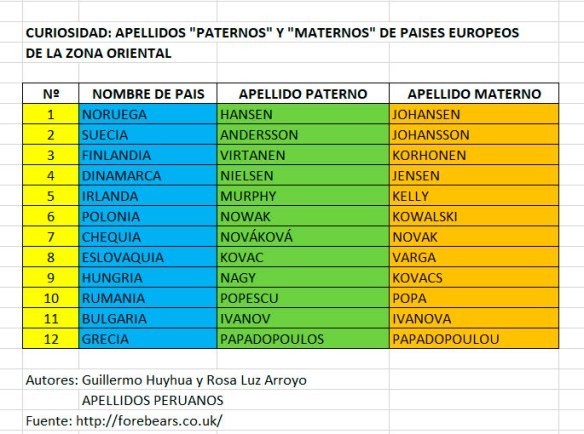
Imagine you’re living way back when Poland was full of knights and castles. Wouldn’t it be cool to have a name that tells people what you do or perhaps describes a quirky characteristic? Enter cognominal surnames! These names are derived from old nicknames, jobs, or personal traits. Think “Kowalski” which comes from “kowal,” meaning blacksmith, or “Kaczmarek,” a nod to innkeepers. And let’s not forget “Nowak,” which translates to “newcomer.” It’s like ancient LinkedIn profiles!
**Toponymic Surnames**
Ever wanted a last name that’s all about where you’re from? Toponymic surnames are exactly that. These names often end with the suffix “-ski,” transforming a location into a family identifier. Imagine being called “Lewandowski” because your family hailed from Lewandów. How cool is that? It’s like wearing your hometown on your sleeve!
**Patronymic Surnames**
Patronymics are all about family ties. These names might be like saying “son of Jan,” and they usually come with suffixes like “-wicz” or “-ski.” So “Jankowski” simply means the lineage followed someone named Jan. It’s like grabbing a piece of history every time you say your name.
Historic Roots and Evolution
Let’s hop on our time machine and zoom back to the 13th century. Surnames started making waves among Polish nobility, perfect for showing off that regal landownership. Initially, only about 10% of people—mainly the nobility—had these last name luxuries.
Fast forward to the 16th century, and everyone began catching the surname bug! Even the peasants got in on the action, and the proud “-ski” suffix became a crowd favorite. This wasn’t just a fad—it marked an evolution in identity. Like a trending hashtag, “-ski” took over, turning any name into something with a dash of noble flair.
Jewish Polish Surnames
Here’s where things get even more intriguing: the Jewish community in Poland started to adopt surnames around the late 18th century. A melting pot of cultural and linguistic influences, these names adapted to contexts and circumstances. Sometimes they carried a Yiddish version, sometimes Polish. Imagine living across Prussia, Russia, and Austria-Hungary, and tweaking your name according to each ruler’s whims. Name aficionados, this was name evolution on steroids!
Consider “Pozner” in Yiddish, which could morph into “Poznański” in Polish to fit the vibe. Or how about creative compounds like “Rosenbaum”? These names elegantly narrate the story of Jewish lives under the partitions.
Common Polish Surnames Today
Ready to test your Polish surname knowledge? Let’s talk about some of the power players in the surname Hall of Fame:
– **Kowalski**: Our “blacksmith” hero; think of him as the Polish Smith.
– **Nowak**: Loved by many, means “newcomer” and is as popular as your favorite pop song.
– **Wiśniewski**: Some folks describe it as “cherry-like,” thanks to the word “wiśnia,” which means cherry.
– **Lewandowski**: Can’t forget this one, especially if you’re a fan of footballer Robert Lewandowski!
Surnames are even gender-chameleons here! So, Kowalski might say “hi” as Kowalska when in feminine company. It all adds a splash of historical, professional, and geographic influence. A perfect mosaic of Polish heritage!
Understanding the Cultural Impact
Let’s head into the cultural wonderland of Polish surnames. They’re like little pockets of history, brimming with insights into professions and locations. A name like “Wójcik” hints at an ancestor who was a village head, or “Kaczmarek,” lets you know your great-great-grandparent might have been hosting inn-goers some centuries back in western Poland.
These surnames carry stories, memories, and a cultural identity, vivid as a family tapestry. They reflect the regional diversity of Poland, from bustling cities to quaint villages, painting a vivid map across generations.
Conclusion: Polish Surnames in Modern Times
Today, Polish surnames aren’t just identifiers—they’re a window into personal and national history. Whether you’re navig… I mean, exploring your own family tree or just casually fascinated by the cultural impact of names, these surnames are treasures waiting to be explored. Ready to take a trip down your genealogical lane? Check out tools like Geneanet or FamilySearch. You might uncover tales you never imagined!
By the way, if you’re excited about diving into more captivating reads, here is a resource worth checking out!
So next time you meet a Kowalski or say hello to a Lewandowski, remember, you’re not just addressing a name. You’re acknowledging centuries of history, culture, and a story waiting to be told. Cheers to the thrilling journey of Polish surnames—they’ve turned names into epic narratives, one suffix at a time!